
Pediatric Occupational Therapy that helps children build skills for everyday life.
Therapist to You provides individualized pediatric Occupational Therapy focused on the skills children use to play, learn, regulate, care for themselves, participate at school, and become more independent in everyday routines.

What pediatric Occupational Therapy can help with.
Occupational Therapy supports the functional skills children use to participate in play, learning, self-care, routines, and everyday activities.
Fine Motor Skills
Support for grasping, manipulating objects, using scissors, managing buttons and zippers, utensil use, handwriting readiness, and other hand skills.
Sensory Processing & Regulation
Support may focus on helping children respond to sensory input in ways that improve comfort, regulation, and participation in daily routines.
Self-Care Skills
Occupational Therapy may support dressing, grooming, toileting routines, eating-related tasks, and other activities of daily living.
School Participation
Support may address handwriting, classroom routines, organization, tool use, positioning, attention, and functional participation at school.
Play & Coordination
Therapy may support motor planning, bilateral coordination, visual-motor skills, play skills, and interacting with toys and activities.
Feeding-Related Routines
Some children may receive OT support for participation in feeding-related routines depending on evaluation, scope of care, and clinical recommendations.
Signs your child may benefit from Occupational Therapy.
Every child develops differently. An Occupational Therapy evaluation may help when functional challenges begin affecting play, learning, self-care, routines, or participation in everyday activities.
✓ Buttons, zippers, or utensils are difficult
Fine motor or coordination challenges may make everyday self-care tasks harder.
✓ Sensitive to textures, sounds, or movement
Certain sensory experiences may feel overwhelming or interfere with participation in everyday routines.
✓ Handwriting or pencil use is challenging
Your child may have difficulty with grasp, letter formation, endurance, or visual-motor skills.
✓ Transitions are difficult
Moving between tasks, routines, or environments may lead to frustration or difficulty regulating.
✓ Self-care requires extra support
Dressing, grooming, toileting, eating-related tasks, or other daily routines may be challenging.
✓ Busy environments feel overwhelming
Sensory input in classrooms, stores, events, or other environments may affect participation.
✓ Coordination during play is difficult
Your child may struggle with motor planning, bilateral coordination, or manipulating toys and objects.
✓ Organization during tasks is challenging
Multi-step activities, classroom routines, or completing everyday tasks may require additional support.
How pediatric Occupational Therapy works.
Therapy begins by understanding your child’s strengths, functional needs, family priorities, and the activities that matter in everyday life.
Tell us what you are noticing
Share concerns related to sensory needs, fine motor skills, self-care, school participation, play, feeding-related routines, or everyday independence.
Occupational Therapy evaluation
When appropriate, an Occupational Therapist evaluates your child’s strengths, needs, functional skills, and participation in daily activities.
Individualized therapy plan
Goals are developed around your child’s needs, family priorities, clinical recommendations, and care setting.
Practice beyond the session
Families may receive practical strategies to support skills during dressing, meals, play, schoolwork, transitions, and other daily routines.
Occupational Therapy that can meet your child where they are.
The most appropriate setting depends on your child’s needs, therapy goals, family routine, provider availability, scheduling, authorization, documentation, and payer requirements.
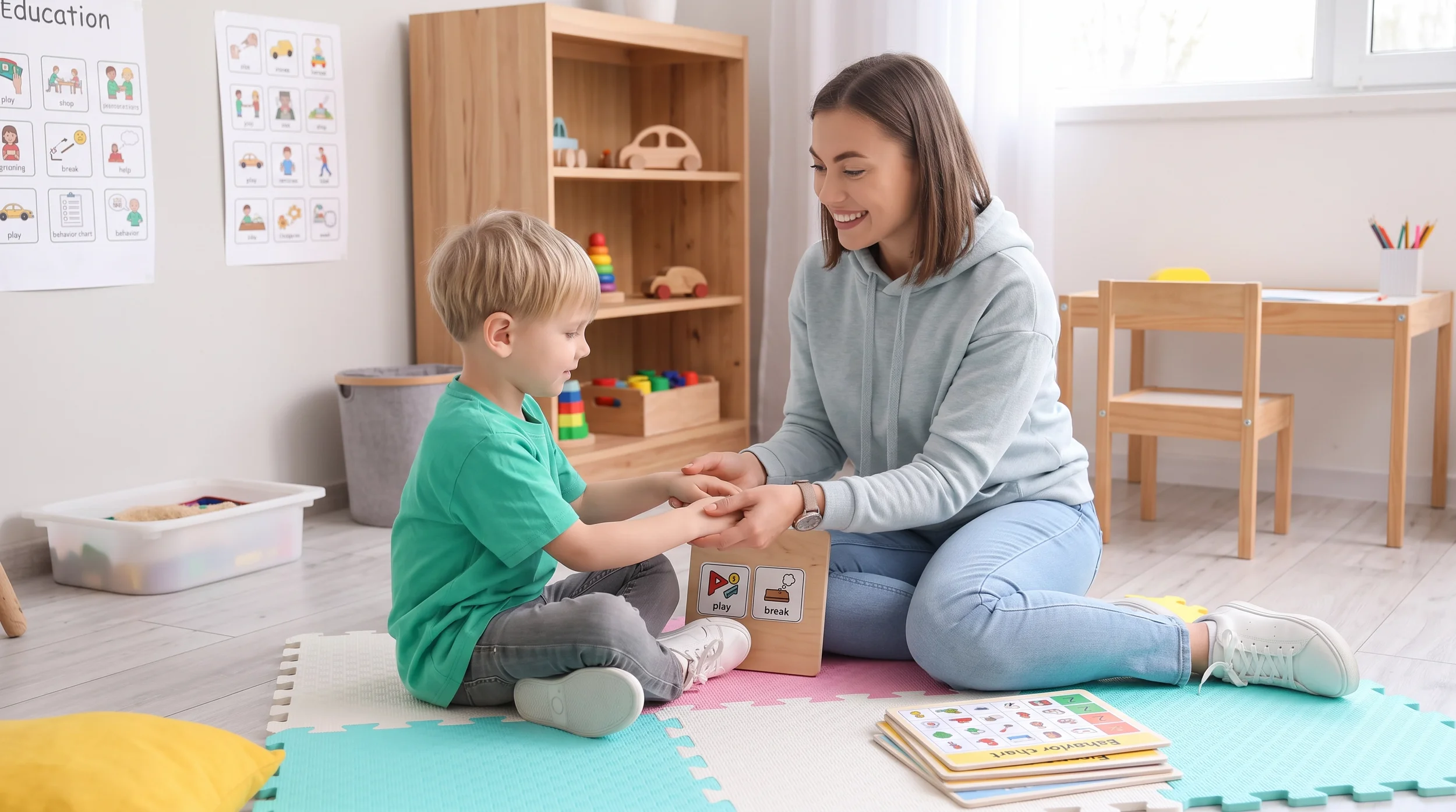
In-Home Occupational Therapy
Practice self-care, sensory regulation, fine motor skills, routines, play, and independence within a familiar home environment when appropriate and available.
Explore In-Home Therapy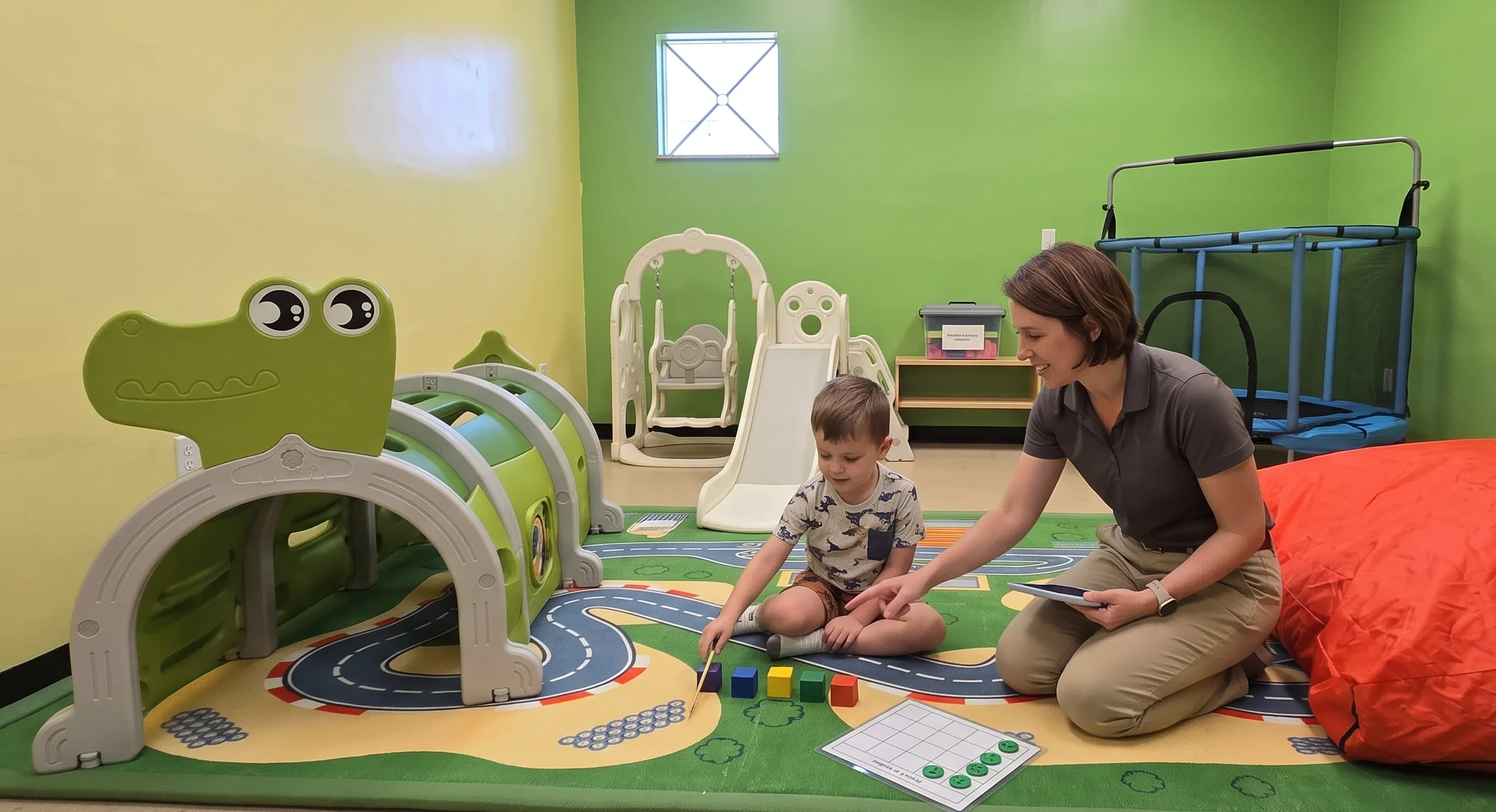
In-Center Occupational Therapy
A structured therapy environment may support fine motor skills, sensory needs, play, self-care, coordination, and functional participation.
Explore In-Center Therapy
In-School Occupational Therapy
School-based OT may support classroom participation, fine motor skills, routines, regulation, organization, and other functional skills when appropriate and available.
Explore School-Based TherapyWhy families choose Therapist to You.
Pediatric OT Care
Occupational Therapists provide individualized support based on each child’s functional needs and clinical goals.
Everyday Skill Building
Therapy may support self-care, fine motor development, sensory regulation, play, routines, and functional independence.
Family Partnership
Parents and caregivers can learn practical strategies that support skill development during everyday routines.
Child-Friendly Therapy
Sessions may use play, movement, hands-on activities, and your child’s interests to create meaningful opportunities to practice skills.
Flexible Care Settings
Occupational Therapy may be available in-home, in-center, or in-school depending on service needs, provider availability, and payer requirements.
Pediatric Occupational Therapy across our Florida communities.
Therapist to You supports families exploring pediatric Occupational Therapy through our Florida locations. Availability depends on your child’s needs, provider availability, scheduling, authorization, documentation, service type, and payer requirements.
Specific Occupational Therapy services and care settings may vary by location.
Melbourne
Explore pediatric Occupational Therapy, care settings, and support available through our Melbourne location.
West Palm Beach
Learn about pediatric Occupational Therapy and care options available through our West Palm Beach location.
Okeechobee
Explore pediatric Occupational Therapy and support options available through our Okeechobee location.
We accept most insurance providers








Occupational Therapy questions.
Answers to common questions families ask while exploring pediatric Occupational Therapy for their child.
What does pediatric Occupational Therapy help with?
How do I know if my child may need Occupational Therapy?
Can Occupational Therapy help with sensory processing?
Can Occupational Therapy help with fine motor skills?
Can Occupational Therapy help with handwriting?
Can OT help with dressing and self-care?
Can my child receive Occupational Therapy at home?
Does insurance cover pediatric Occupational Therapy?
Can my child receive OT with Speech, PT, or ABA?
How do I get started with Occupational Therapy?

Ready to talk about the skills
your child uses every day?
Whether you are concerned about sensory needs, fine motor development, self-care, school participation, play, coordination, or everyday routines, our team can help you understand possible next steps.