
Pediatric Physical Therapy that helps children move, play, and participate with confidence.
Therapist to You provides individualized pediatric Physical Therapy focused on strength, balance, coordination, mobility, motor development, endurance, and the movement skills children use throughout everyday life.
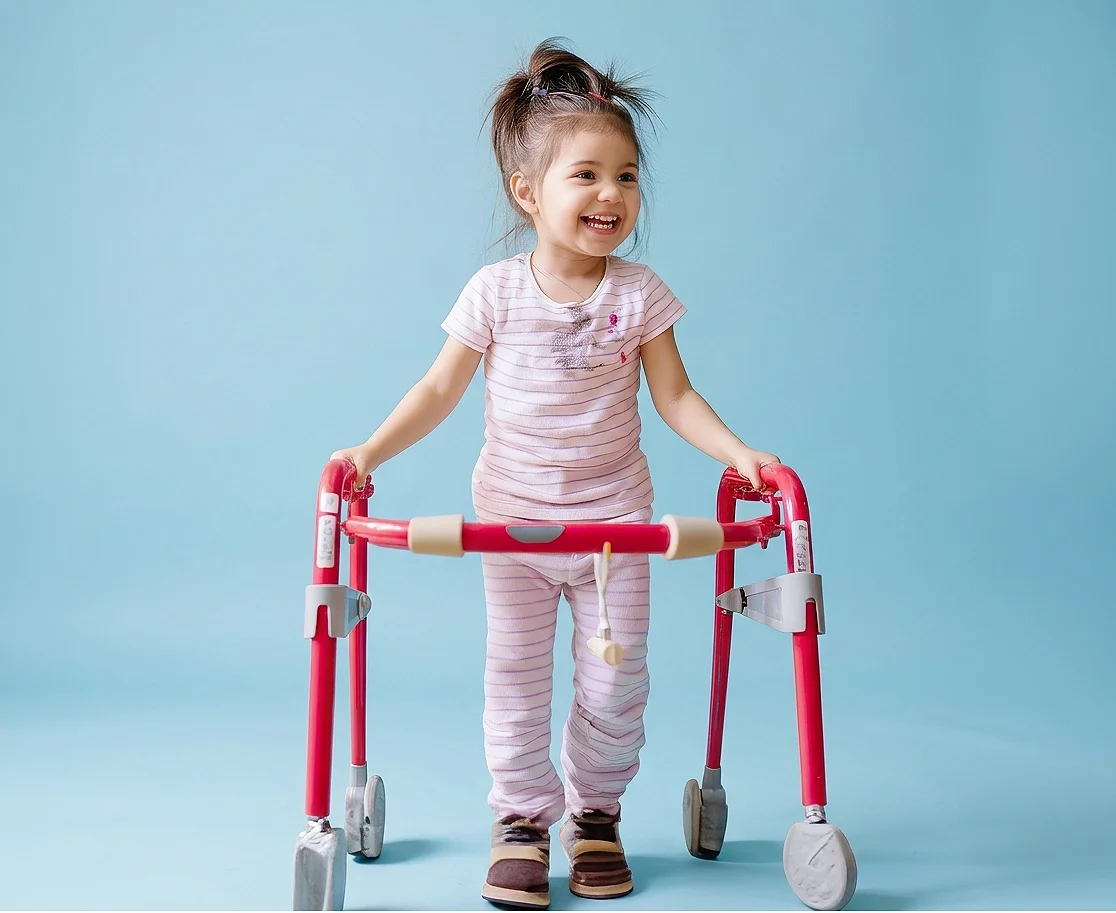
What pediatric Physical Therapy can help with.
Pediatric Physical Therapy supports movement skills that can help children participate more fully in play, mobility, school, routines, and everyday activities.
Gross Motor Skills
Support for walking, running, jumping, climbing, transitions, and other large movement skills children use during everyday activities.
Balance & Coordination
Therapy may support balance reactions, coordination, body control, movement confidence, and participation during play and everyday routines.
Strength & Endurance
Support may focus on strength and endurance needed for mobility, play, school participation, transitions, and everyday movement.
Walking & Mobility
Physical Therapy may address gait, transfers, stair use, functional mobility, and moving safely through different environments.
Motor Planning
Support may help children learn, organize, and complete movement sequences during play, transitions, routines, and functional activities.
Positioning & Movement Patterns
Therapy may support posture, alignment, range of motion, movement efficiency, and functional positioning when clinically appropriate.
Signs your child may benefit from Physical Therapy.
Every child develops differently. A pediatric Physical Therapy evaluation may help when movement, strength, balance, coordination, mobility, or endurance challenges begin affecting play, participation, independence, or everyday routines.
✓ Walking or running is difficult
Your child may have difficulty walking safely, running smoothly, changing direction, or keeping pace during movement.
✓ Frequent falls or poor balance
You may notice frequent tripping, falling, instability, or difficulty maintaining balance during play and everyday activities.
✓ Gross motor milestones are delayed
Sitting, standing, walking, jumping, climbing, or other movement milestones may be developing differently than expected.
✓ Keeping up with peers is challenging
Strength, endurance, balance, or coordination may affect participation during play, recreation, or school activities.
✓ Jumping or playground activities are difficult
Your child may avoid or struggle with jumping, climbing, playground equipment, stairs, or other movement-based activities.
✓ Strength or endurance seems limited
Your child may tire quickly, avoid physical activity, or need additional support during movement and daily routines.
✓ Walking pattern looks different
Toe walking, asymmetry, unusual positioning, or other gait differences may warrant a Physical Therapy evaluation.
✓ Changing positions is difficult
Moving from the floor, standing up, sitting down, transferring, or navigating stairs may require additional effort or assistance.
How pediatric Physical Therapy works.
Tell us what you are noticing
Share concerns related to walking, balance, strength, coordination, mobility, gross motor development, endurance, or everyday movement.
Physical Therapy evaluation
When appropriate, a Physical Therapist evaluates your child’s movement, strength, balance, coordination, mobility, and functional participation.
Individualized therapy plan
Goals are developed around your child’s needs, family priorities, clinical recommendations, and care setting.
Practice beyond the session
Families may receive practical strategies that support movement during play, transitions, stairs, routines, and everyday activities.
Physical Therapy that can meet your child where they are.
The most appropriate setting depends on your child’s movement needs, therapy goals, family routine, provider availability, scheduling, authorization, documentation, and payer requirements.
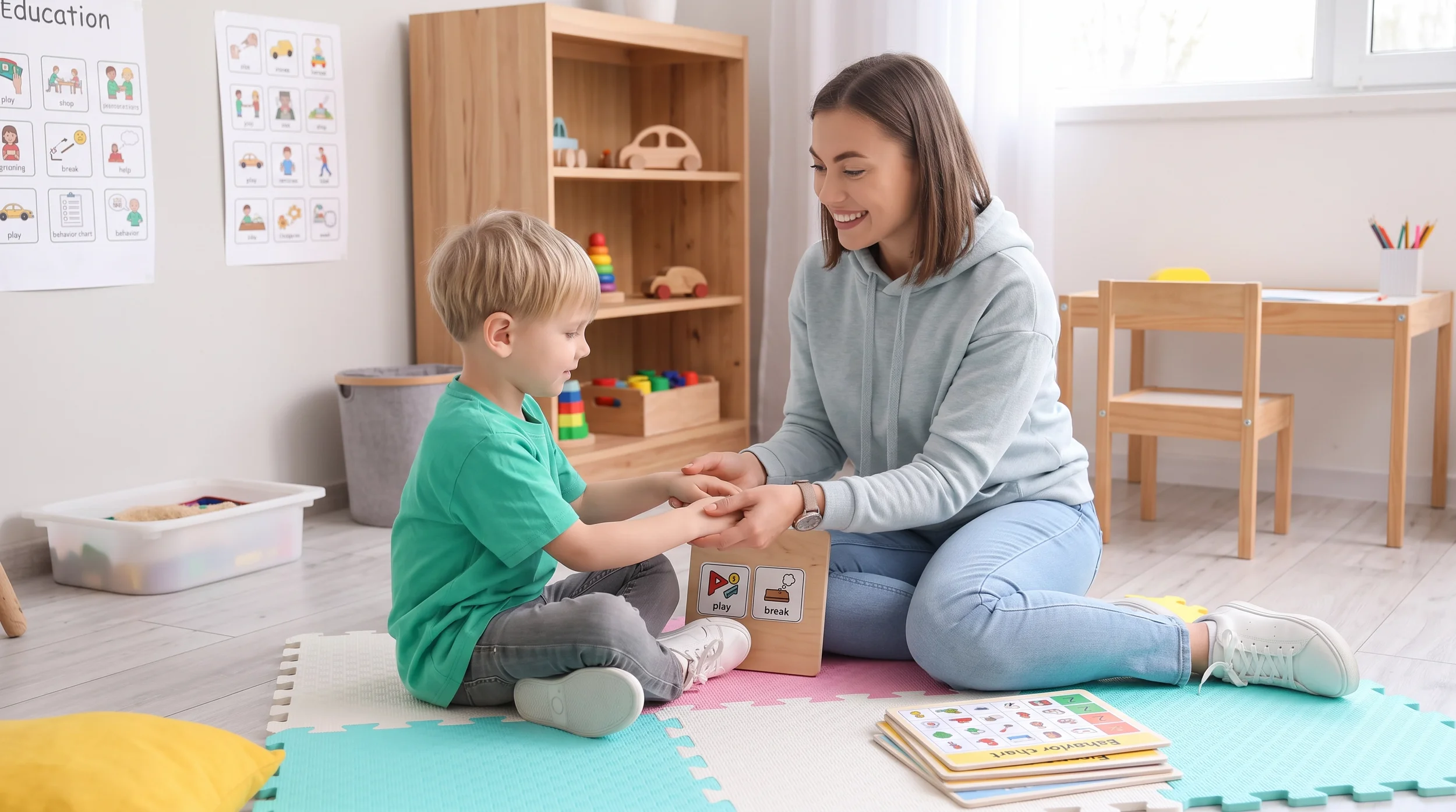
In-Home Physical Therapy
Physical Therapy may take place at home when appropriate and available, allowing children to practice mobility, balance, strength, transitions, and movement skills within familiar routines.
Explore In-Home Therapy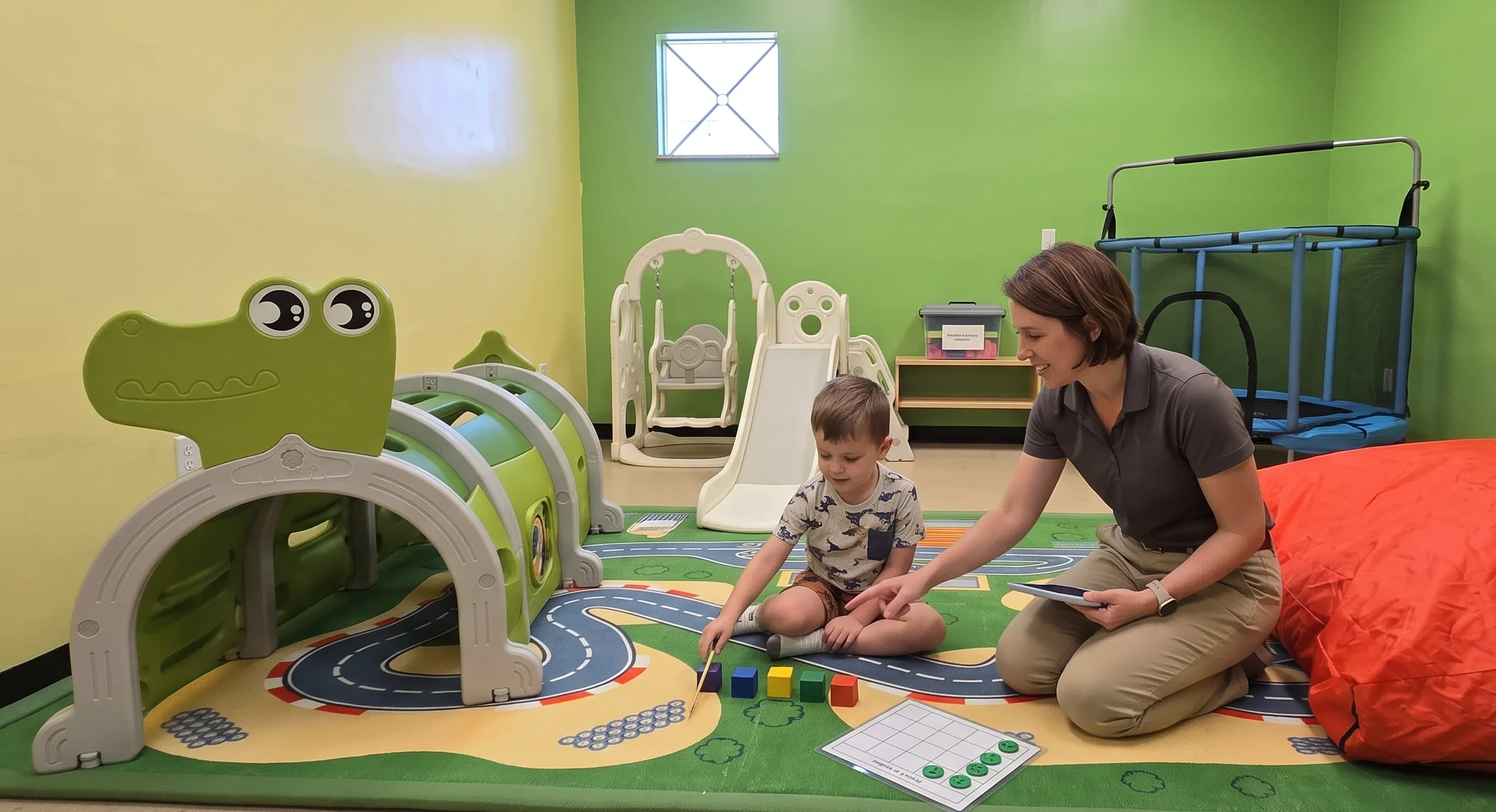
In-Center Physical Therapy
A structured therapy environment may support strength, balance, coordination, mobility, gross motor development, endurance, and individualized movement goals.
Explore In-Center Therapy
In-School Physical Therapy
School-based Physical Therapy may support mobility, participation, transitions, positioning, playground access, and other functional movement needs when appropriate and available.
Explore School-Based TherapyWhy families choose Therapist to You.
Physical Therapy should feel individualized, practical, and connected to how your child moves, plays, and participates throughout everyday life.
Pediatric PT Care
Physical Therapists provide individualized support based on each child’s movement needs, functional abilities, and clinical goals.
Functional Movement Goals
Therapy may focus on mobility, strength, balance, coordination, gross motor development, endurance, and everyday participation.
Family Partnership
Parents and caregivers may learn practical strategies that support movement and mobility during everyday routines.
Play-Based Therapy
Sessions may use games, obstacle courses, toys, movement activities, and your child’s interests to create meaningful practice.
Flexible Care Settings
Physical Therapy may be available in-home, in-center, or in-school depending on needs, provider availability, scheduling, authorization, and payer requirements.
Pediatric Physical Therapy across our Florida communities.
Therapist to You supports families exploring pediatric Physical Therapy through our Florida locations. Availability depends on your child’s needs, provider availability, scheduling, authorization, documentation, service type, and payer requirements.
Specific Physical Therapy services and care settings may vary by location.
Melbourne
Explore pediatric Physical Therapy, care settings, and support available through our Melbourne location.
West Palm Beach
Learn about pediatric Physical Therapy and care options available through our West Palm Beach location.
Okeechobee
Explore pediatric Physical Therapy and support options available through our Okeechobee location.
We accept most insurance providers








Physical Therapy questions.
Answers to common questions families ask while exploring pediatric Physical Therapy for their child.
What does pediatric Physical Therapy help with?
How do I know if my child may need Physical Therapy?
Can Physical Therapy help with walking?
Can pediatric PT help with balance and coordination?
Can Physical Therapy help with gross motor delays?
Can PT help with strength and endurance?
Can my child receive Physical Therapy at home?
Does insurance cover pediatric Physical Therapy?
Can my child receive PT with OT, Speech, or ABA?
How do I get started with Physical Therapy?

Ready to talk about how your child moves through their day?
Whether you are concerned about walking, balance, strength, coordination, gross motor development, endurance, mobility, or another movement need, our team can help you understand possible next steps.