In-Home ABA Therapy in Melbourne, FL: A Parent's Guide

In-home ABA Therapy brings Applied Behavior Analysis into the place where many everyday routines already happen. For families in Melbourne, Florida, that may mean practicing communication, transitions, daily living skills, play, or other treatment goals inside a familiar home environment.
Home-based ABA is not simply a clinic session moved into the living room. When clinically appropriate, the home can give the care team opportunities to work on skills within the routines where a child may use them every day.
What is in-home ABA Therapy?
In-home ABA Therapy is Applied Behavior Analysis provided in the child's home when that setting is clinically appropriate and included in the treatment plan.
The supervising BCBA develops individualized treatment goals based on assessment findings, clinical needs, family priorities, and the child's current skills. Direct care may then take place within the home under BCBA supervision.
The home setting can be useful when treatment goals involve routines, communication, transitions, daily living skills, independence, or other situations that naturally happen at home.
In-home ABA should still be individualized.
Two children receiving ABA at home may work on completely different goals. The treatment plan should reflect the child's needs, communication style, strengths, routines, and family priorities.
What does an in-home ABA session actually look like?
A home session may include structured teaching as well as practice that happens naturally during the child's routine. The exact activities depend on the child's treatment plan.
A therapist may work with a child during play, snack time, transitions, getting dressed, completing a household routine, asking for help, or another everyday activity connected to a treatment goal.
Some parts of the session may be planned in advance. Other teaching opportunities may happen naturally as the child moves through the day.
A familiar routine can become a learning opportunity.
If a child is working on requesting help, the therapist may practice that skill during an activity the child already finds challenging. If transitions are a treatment goal, the team may work on moving from a preferred activity to dinner, bath time, or another routine.
What skills may children practice during ABA at home?
Goals vary by child. Depending on the assessment and treatment plan, in-home ABA may include work on:
- Functional communication
- Requesting help, a break, or preferred items
- Following home routines
- Transitions between activities
- Self-care and daily living skills
- Play and social interaction
- Learning readiness
- Independence with age-appropriate tasks
- Skills related to behavior and participation
The goal is not to work on every possible skill. Treatment should focus on goals that are clinically appropriate and meaningful for the individual child.
How can everyday home routines support ABA treatment?
One advantage of home-based care is that the therapist can see how skills and challenges appear during the child's real routines.
Morning routines
Treatment goals may involve dressing, following a routine, preparing to leave the house, communication, or transitions.
Meals and snacks
Depending on the treatment plan, these routines may create opportunities for communication, requesting, waiting, choices, or participation.
Play
Play can provide natural opportunities to practice communication, social interaction, turn-taking, flexibility, and other individualized goals.
Transitions
Moving between activities can give the care team useful information about what support a child may need before, during, and after a transition.
Who provides in-home ABA Therapy?
Families may work with several members of an ABA care team. Two common roles are the Board Certified Behavior Analyst and Registered Behavior Technician.
Board Certified Behavior Analyst
A BCBA may conduct or oversee assessments, develop treatment goals, design and supervise the treatment plan, review progress, collaborate with caregivers, supervise direct care staff, and adjust recommendations when appropriate.
Registered Behavior Technician
An RBT may provide direct ABA services under BCBA supervision by implementing the treatment plan, practicing goals with the child, collecting data, and communicating relevant information to the supervising clinician.
Learn more about the RBT roleWhat role do parents and caregivers have in in-home ABA?
Parents and caregivers can provide information about routines, communication, preferences, strengths, and challenges that may not appear during a formal assessment.
Their input can help the BCBA understand which skills matter most in daily life and whether progress during therapy is also helping outside scheduled sessions.
When appropriate, caregivers may learn strategies for supporting communication, transitions, routines, and other treatment goals throughout the child's day.
Caregiver involvement should be practical.
Families should understand what the treatment team is working on and how those goals connect to home life. Caregiver involvement should fit the treatment plan and the family's circumstances.
In-home ABA vs center-based ABA.
One setting is not automatically better than another. The right setting depends on the child's clinical needs, goals, family circumstances, provider availability, scheduling, and authorization.
| Consideration | In-home ABA | Center-based ABA |
|---|---|---|
| Environment | Familiar home setting | Structured therapy environment |
| Daily routines | Skills can be practiced where routines naturally happen | Skills may be practiced in a controlled setting before being used elsewhere |
| Caregiver participation | Caregivers may have easier access to observe or participate when appropriate | Participation may depend on program structure and scheduling |
| Distractions | Real household distractions may be part of treatment | The setting may offer more control over distractions |
| Availability | Depends on service area, provider coverage, scheduling, and authorization | Depends on center capacity, scheduling, and authorization |
Learn more about in-home therapy services and in-center therapy services.
When might in-home ABA be a good fit?
In-home care may be worth discussing with the treatment team when goals are closely connected to the child's home environment.
- Home routines are part of the treatment goals
- The child may benefit from practicing skills in a familiar environment
- Caregiver participation is important to the treatment plan
- Transitions at home are an area of need
- Daily living or independence skills are being addressed
- The care team wants to understand how skills appear outside a clinic
Whether in-home ABA is appropriate depends on the child's assessment, clinical needs, treatment plan, provider availability, scheduling, documentation, authorization, and payer requirements.
When might another therapy setting be worth considering?
Some children may benefit from a more structured therapy environment, access to particular resources, fewer household distractions, or opportunities that are easier to arrange in a center or school setting.
Care settings can also change over time. A child may receive therapy in more than one environment when clinically appropriate and available.
Families can ask the BCBA why a particular setting is recommended and how it connects to the child's treatment goals.
How is progress measured during in-home ABA?
ABA providers commonly collect data during treatment to understand how a child is responding to teaching strategies and whether specific skills are changing over time.
The BCBA may review treatment data alongside clinical observations and caregiver input. If a strategy is not helping or the child's needs change, the treatment plan may need to be adjusted.
Families should also be able to understand what the data means in practical terms, such as whether a child is using a new skill more independently during everyday routines.
How many hours of in-home ABA may be recommended?
There is no universal number of ABA hours that is appropriate for every child.
Recommendations depend on the assessment, treatment goals, age, clinical needs, family circumstances, provider availability, authorization, and payer requirements.
Parents can ask why a particular schedule is being recommended, what goals are expected to be addressed during that time, and how the team will decide whether the recommended level of care remains appropriate.
In-home ABA Therapy in Melbourne and nearby communities.
Therapist to You provides pediatric therapy through its Melbourne service area. In-home ABA may be available in Melbourne and nearby Brevard County communities depending on provider availability, scheduling, treatment needs, authorization, and payer requirements.
Melbourne
Families can explore pediatric ABA Therapy and other pediatric therapy services connected to our Melbourne location.
Explore Melbourne servicesViera and West Melbourne
In-home availability may extend into nearby communities based on current provider coverage, scheduling, and authorization.
Palm Bay and surrounding Brevard County
Service availability varies by location and should be confirmed with our team before care is scheduled.
Families in Melbourne can contact Therapist to You to ask whether in-home ABA is currently available for their address, schedule, insurance plan, and treatment needs.
Does insurance cover in-home ABA in Melbourne?
Coverage varies by insurance plan. Requirements may depend on diagnosis, medical necessity, network status, prior authorization, assessment documentation, treatment recommendations, visit limits, treatment intensity, and where services are provided.
Families should confirm benefits and requirements with their insurance plan. Therapist to You can help explain what information may be needed before services begin, but final coverage decisions are made by the payer.
Questions to ask before starting in-home ABA.
Who will oversee my child's treatment plan?
Why is in-home ABA being recommended for my child?
Which goals will be practiced during home sessions?
How often will a BCBA review progress?
How much BCBA supervision does the direct care team receive?
How will parents or caregivers be involved?
How will progress be measured and explained to our family?
What happens if a teaching strategy is not helping?
What documentation or insurance authorization is required?
Is in-home ABA currently available for my Melbourne-area address and schedule?
In-home ABA Therapy in Melbourne: parent FAQs.
What is in-home ABA Therapy?
In-home ABA is Applied Behavior Analysis provided in the child's home when that setting is clinically appropriate and part of the treatment plan. Goals and activities depend on the child's assessment and individual needs.
What happens during an in-home ABA session?
Sessions may include structured teaching and naturally occurring practice during play, meals, transitions, self-care, communication, or other routines connected to the child's treatment goals.
Is in-home ABA available in Melbourne, FL?
In-home ABA may be available in Melbourne and nearby communities depending on provider coverage, treatment needs, scheduling, documentation, authorization, and payer requirements. Availability should be confirmed directly with Therapist to You.
Can parents participate in home ABA sessions?
Caregiver participation may be part of treatment when appropriate. The BCBA can explain how parent or caregiver involvement fits the child's treatment plan and goals.
Is in-home ABA better than center-based ABA?
Neither setting is automatically better. The appropriate setting depends on the child's goals, clinical needs, family circumstances, provider availability, scheduling, authorization, and other individual factors.
Who supervises in-home ABA Therapy?
A BCBA may design and supervise the treatment plan, review progress, oversee direct care staff, collaborate with caregivers, and adjust recommendations when appropriate.
How many hours of in-home ABA does a child need?
There is no single number of hours that is appropriate for every child. Treatment recommendations depend on assessment findings, clinical needs, treatment goals, family circumstances, authorization, and other individual factors.
Does insurance cover in-home ABA Therapy?
Coverage varies by plan and may depend on diagnosis, medical necessity, network status, prior authorization, documentation, treatment recommendations, visit limits, and the location where services are provided.
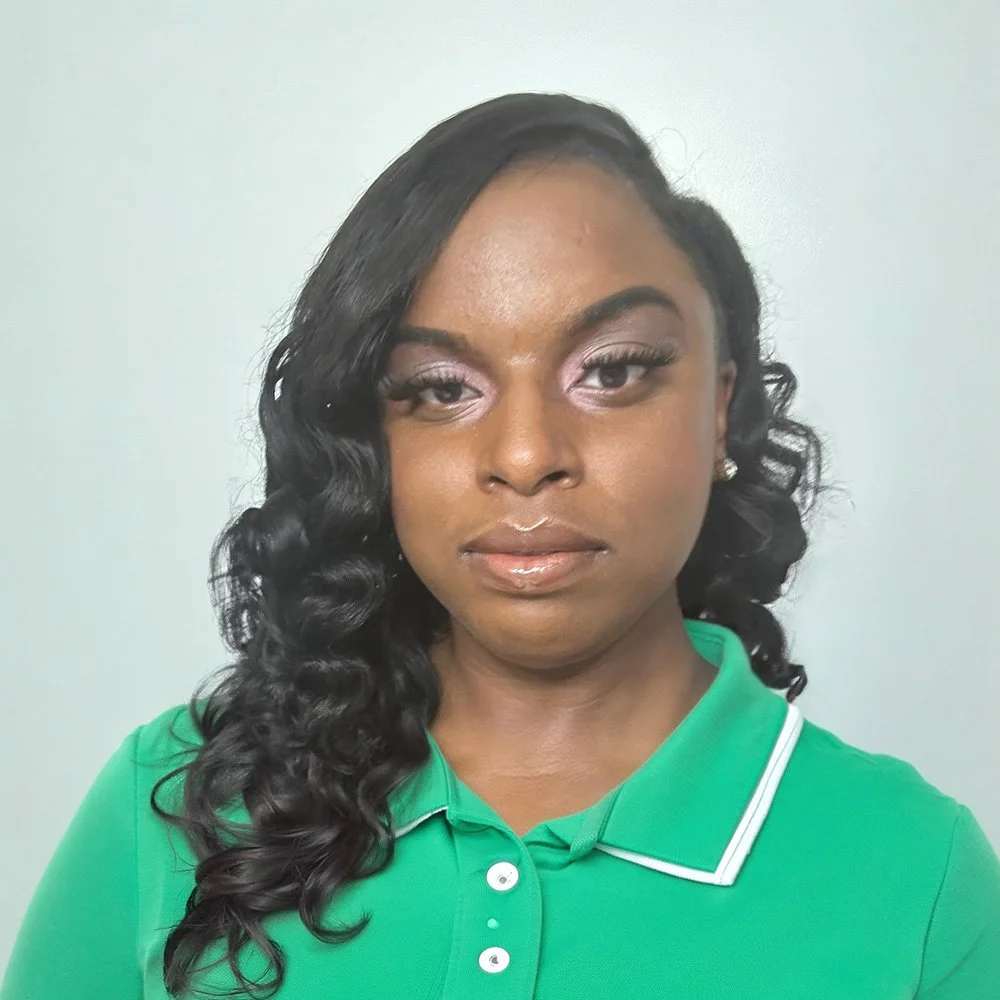
Dionne Batts, BCBA
Board Certified Behavior Analyst
Dionne Batts, BCBA, guided and reviewed this article for clinical clarity and accuracy related to Applied Behavior Analysis, in-home treatment, and pediatric behavioral support.
Ask about in-home ABA Therapy in Melbourne.
Therapist to You can help you understand current in-home availability, the assessment process, care settings, provider coverage, documentation, authorization, insurance requirements, and possible next steps for your child.